People who got rich with stocks (and what we can learn from them)
Some of the world's largest fortunes were built on the stock market. But the most interesting stories aren't always about Wall Street geniuses: there are janitors, secretaries and former shoeshine boys among them. What almost all of them have in common is less glamorous than it seems: patience, solid companies and a lot of time.
Warren Buffett: the boy who bought his first stock at 11
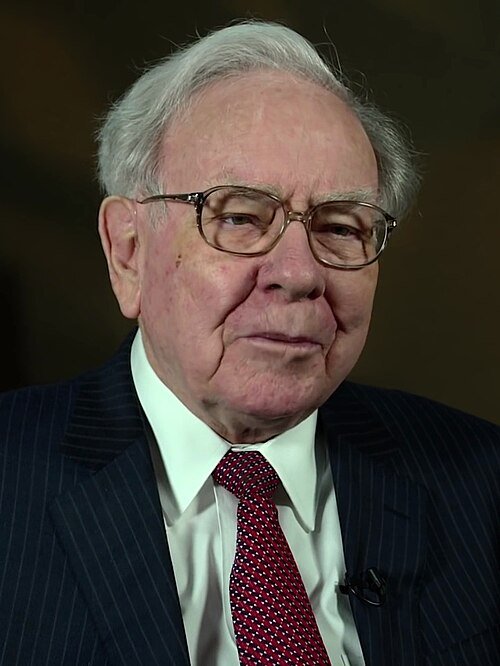
In 1942, at age 11, Warren Buffett bought his first shares: three shares of an energy company. When they fell, he waited; when they recovered a little, he sold for a small profit. Soon after, the shares soared. Buffett says he learned two lessons then: don't anchor on the price you paid, and don't be in a hurry.
Years later, he took control of a declining textile mill called Berkshire Hathaway and turned it into one of the largest companies in the world, buying shares and entire businesses of solid companies and holding them for decades. He became one of the richest people on the planet, and most of his fortune was built after age 60. That's compound interest at work over a very long time.
Luiz Barsi: from shoeshine boy to Brazil's "dividend king"

The son of an immigrant, Luiz Barsi Filho grew up with little money in São Paulo and worked as a shoeshine boy as a child. He started investing in the stock market while still young and adopted a simple strategy: buy shares of companies that pay good dividends, in sectors people will always need, such as electricity, sanitation and banking, and reinvest what he receives in more shares.
Doing this for decades, without selling in moments of panic, he became one of the largest individual investors on the Brazilian stock exchange, with significant stakes in several companies. Barsi likes to say he builds a "retirement portfolio": shares that pay a growing income, like a pension.
Ronald Read: the janitor who left millions
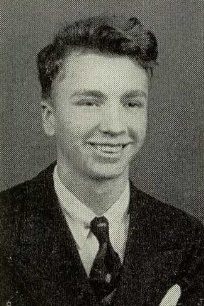
Ronald Read worked his whole life as a gas station attendant and later as a janitor in a small town in Vermont, in the United States. He lived simply, drove an old car, and nobody imagined he had money. When he died in 2014, at 92, the town discovered he had left a fortune of about 8 million dollars, much of it donated to the local library and hospital.
The secret? For decades, he bought shares of large, well-known companies that paid dividends, and simply didn't sell.
Grace Groner: three shares and a fortune
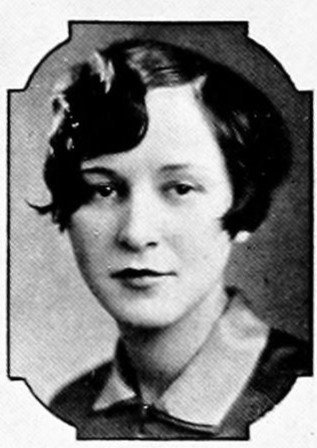
In 1935, secretary Grace Groner bought three shares of the company she worked for, pharmaceutical maker Abbott, for about 180 dollars. She never sold: over more than 70 years, the shares multiplied through stock splits and the dividends were reinvested. When she died in 2010, those three shares had grown to about 7 million dollars, which she left to the college she had attended.
Peter Lynch: "invest in what you know"

From 1977 to 1990, Peter Lynch ran Fidelity's Magellan fund and achieved an average return of about 29% a year, one of the best track records in fund history. His philosophy became famous: many good investment ideas are found in everyday life, in the stores where you shop and the products you use. The key is to study the company before investing.
The other side: Jesse Livermore
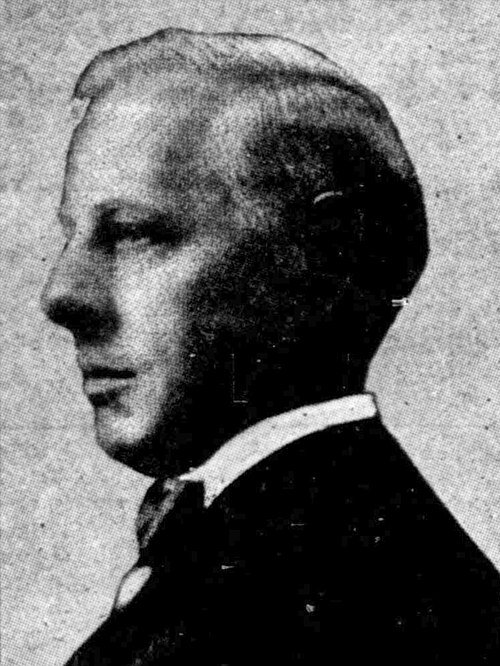
Not every story ends well. Jesse Livermore was one of the most famous speculators of the early 20th century: he made fortunes betting on falling stocks, including during the 1929 crash. But he also lost everything more than once, trading with high risk and borrowed money, and died in 1940 in financial difficulty.
An important warning
For every success story, many people lost money in the stock market, and they don't make the news. This is called survivorship bias: we only hear about the winners. The examples above show what worked for them, but they're no guarantee it will work the same way for everyone. Diversify, invest for the long term and only with money you won't need any time soon.
Want to see the power of time in practice? Try the compound interest calculator. And see also what a stock is.